🌙 Sleep & Rest
The Night Garden
Let the forest go quiet. Rest is part of growth.
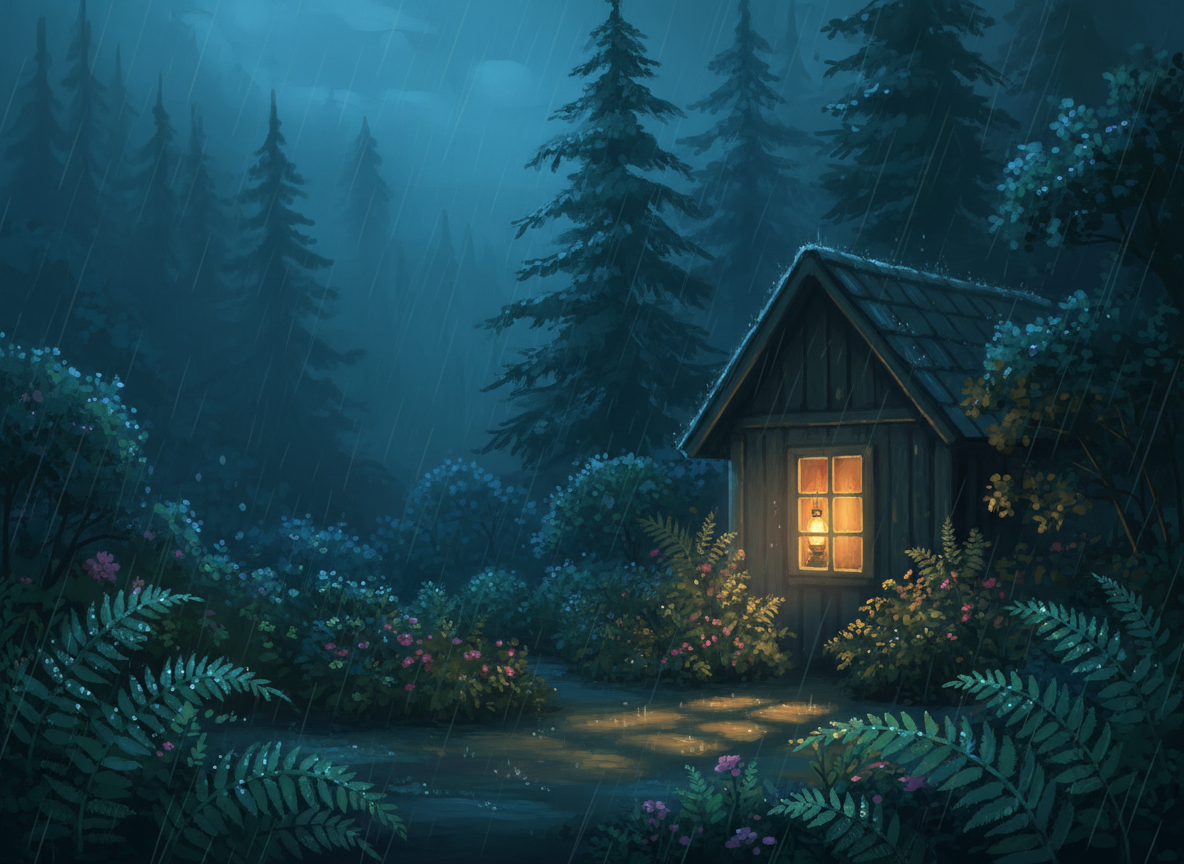
Illustration created with AI assistance
In the Pacific Northwest, the forest does some of its most important work in the dark and the rain. Roots grow. Soil recovers. Nothing blooms all year long. People are the same: the body cannot live in harvest season forever. Sleep and rest are not rewards for finishing everything. They are part of how we grow.
🌧️ The rainy day is not a failed day
Rain isn’t sadness. It can mean quiet, a slower rhythm, reflection, and recovery. If you are a caregiver, grieving, recovering, living with a disability, or simply worn out, a slower day still counts. Not every season is a season of blooming. Some seasons are for rooting.
🌙 Tending the Night Garden: simple sleep habits
Most adults need at least 7 hours of sleep a night. These habits help many people sleep better. Pick one to try this week.
- Keep a steady rhythm. Go to bed and wake up at about the same time each day, weekends included.
- Chase the morning light. Step outside early, even on cloudy days. Daylight helps set your body clock.
- Dim the evening. Lower the lights and set screens aside in the last 30 to 60 minutes before bed.
- Make the room a cave. Cool, dark, and quiet usually works best.
- Watch the late-day cups. Caffeine in the afternoon or evening, and alcohol near bedtime, can disrupt sleep.
- Move during the day. Regular activity often helps sleep, though intense exercise right before bed keeps some people awake.
- Wind down on purpose. A warm shower, gentle stretching, a few slow breaths, or a book can signal your body that the day is done.
When to talk with your clinician: loud snoring, gasping or pauses in breathing during sleep, trouble sleeping most nights for weeks, feeling exhausted even after a full night, or getting drowsy while driving. These are common and often very treatable. Don’t stop or change any sleep medicine on your own.
🌿 The Quiet Trail: a two-minute practice
When your mind is racing, try noticing instead of fixing. Wherever you are, gently name:
5 things you can see · 4 things you can feel · 3 things you can hear · 2 things you can smell · 1 thing you appreciate
Mindfulness can help some people feel calmer. It isn’t a cure or a replacement for mental-health care. In a crisis in the U.S., call or text 988.
☔ Rainy Day Rescue
On heavy days, small steps are still steps. Choose one:
- Make a simple meal: beans on toast, a bowl of oatmeal with frozen berries, or soup from the pantry.
- Move for five minutes: stretch, walk a hallway, or take a short walk under cover.
- Call or text one friend.
- Set out tomorrow’s breakfast.
- Water one plant, or plant one seed.
- Set a gentle bedtime alarm.
About this page
Written by Nathanael Elijah Smith, FNP-C, DipACLM, with AI-assisted drafting · Independent external review: not yet completed · Last updated: September 26, 2026 · Key sources: CDC sleep guidance ↗ and American Academy of Sleep Medicine patient education ↗.
General education only, not personal medical advice. Send a correction

